Managing climate control in commercial facilities is not just about keeping the temperature comfortable; it’s a complex interplay of efficiency, cost, and occupant well-being. For business owners, understanding the ins and outs of HVAC systems can significantly impact both operational costs and productivity levels.
Why Effective Climate Control Matters
A well-functioning HVAC system ensures that your facility maintains an optimal environment for employees and clients alike. Research shows that temperature, humidity, and air quality directly influence comfort, health, and productivity. Poor climate conditions can lead to increased absenteeism and reduced morale among workers. On the flip side, a comfortable environment can enhance focus and creativity.
Moreover, energy consumption is a major concern for commercial spaces. Inefficient systems can lead to soaring utility bills, cutting into profits. Not to mention, businesses are increasingly scrutinized for their environmental impact. Implementing effective climate control strategies can reduce energy waste, helping your organization become more sustainable.
Understanding Your HVAC System
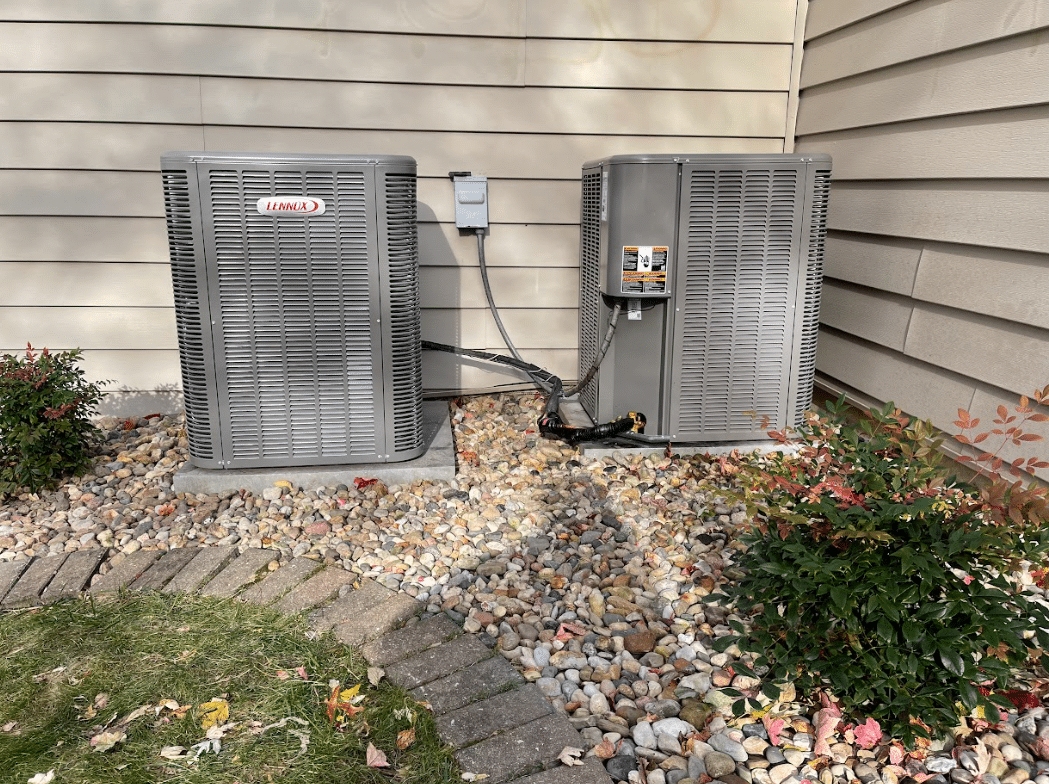
To effectively manage climate control in your commercial facility, you must understand how your HVAC system operates. Typically, these systems consist of heating units, ventilation systems, and air conditioning units — collectively working to maintain indoor air quality and thermal comfort.
Types of HVAC Systems
Centralized Systems: These systems serve multiple areas within a building from one central location. They are common in larger commercial buildings but may require significant investment.
Decentralized Systems: Smaller units located throughout the building provide localized climate control. This system allows for individual room adjustments but might lead to inconsistent temperatures.

Variable Refrigerant Flow (VRF): This advanced system allows simultaneous heating and cooling in different zones of a building by using refrigerant as the primary heating/cooling medium.
Each type has its advantages depending on the size of your facility, required zoning capabilities, and budget constraints.
The Importance of Maintenance
Regular maintenance is crucial for any HVAC system's longevity and efficiency. Neglecting this aspect can lead to malfunctions that disrupt operations or even pose safety hazards due to inadequate ventilation.
Scheduling routine inspections can help catch potential issues before they escalate into costly repairs or replacements. Filters should be changed regularly — ideally every 1-3 months — depending on usage levels and local air quality conditions.
During maintenance visits, technicians will often check components such as coils, ducts, and thermostats to ensure they function correctly. A well-maintained system not only operates more efficiently but also extends its lifespan significantly.
Smart Thermostats: A Game Changer
One innovation that has transformed how businesses manage their climate control is the smart thermostat. These devices learn user patterns over time and adjust settings accordingly — optimizing energy use without sacrificing comfort.
For example, if your office typically sees lower occupancy during lunch hours or weekends, a smart thermostat can automatically adjust the temperature during these times to save energy. Some models even allow remote access through smartphone applications so you can monitor or change settings from anywhere.
The initial investment in smart technology often pays off through decreased utility bills over time. Plus, many models come equipped with features that provide insights into energy usage patterns — data that can inform future decisions about your HVAC setup.
Energy Efficiency Programs
Many utility companies offer incentives for businesses that upgrade their HVAC systems or implement energy-efficient practices. These programs might cover part of the costs associated with installing new equipment or retrofitting existing systems to improve efficiency.
Before making any upgrades or changes, researching available programs in Edwardsville IL could yield significant savings on initial investments while promoting sustainability initiatives within your organization.
Creating a Comfortable Environment
While technical considerations are essential in managing climate control effectively, creating a comfortable environment also hinges on thoughtful design elements within your space:
- Zoning: Different areas within commercial facilities may have varying needs based on their functions (e.g., conference rooms versus break areas). Implementing zoning strategies ensures each area receives tailored climate controls. Use of Windows: Natural light enhances mood but can also create heat imbalances if not managed properly through blinds or window films designed to block UV rays while allowing light penetration. Indoor Air Quality (IAQ): Beyond temperature regulation lies the importance of maintaining clean air through proper ventilation techniques — including regular filter replacements mentioned earlier as well as utilizing high-efficiency particulate air (HEPA) filters where feasible.
The Role of Professional Expertise
Navigating the complexities of HVAC management might seem daunting for many business owners without technical backgrounds; however hiring professionals who DMAKS HVAC contractor in Edwardsville IL specialize in commercial facilities' climate control makes this process manageable.
Working with experienced technicians ensures you receive tailored solutions best suited for your unique needs rather than one-size-fits-all approaches often found online or through general contractors lacking industry-specific knowledge.
At DMAKS HVAC in Edwardsville IL specifically focuses on providing comprehensive service packages designed around individual client requirements ranging from installation guidance through ongoing maintenance support ensuring longevity across all types of installations undertaken under their care—a critical component when looking at long-term operational success!
Budgeting for Climate Control
Investing wisely in climate control requires careful budgeting because upfront costs differ greatly depending on chosen systems’ complexity versus expected returns via energy savings down-the-line—that said it’s prudent always consider total cost ownership rather than just immediate pricing alone!
When planning budgets take into account:
- Initial installation costs Expected maintenance expenses Utility savings over time Potential tax credits available through energy-efficient upgrades
This holistic view allows organizations better forecast long-term financial implications resulting from decisions made today regarding their property’s environmental controls!
Making Data-Driven Decisions
Finally—embracing technology isn’t limited solely to smart thermostats; utilizing automated monitoring tools provides ongoing analytical data regarding airflow patterns alongside temperature fluctuations throughout various parts within buildings offering holistic insight into performance metrics which ultimately guide future improvements needed over time keeping overall operations optimized continuously!
Data-driven decisions empower business owners with actionable intelligence highlighting inefficiencies allowing prompt corrective measures taken whenever abnormalities arise ensuring compliance standards upheld effectively minimizing disruptions caused by unforeseen circumstances like mechanical failures arising unexpectedly impacting employee wellbeing adversely if left unchecked too long!
By adopting these practices surrounding efficient climate control management strategies along with active engagement involving professional expertise like DMAKS HVAC services offered right here locally—businesses set themselves up not only thrive financially but nurture positive workplace cultures leading happier healthier environments conducive innovation collaboration growth!

DMAK'S HVAC
812 Sherman Ave, Edwardsville, IL 62025, United States
+1 (314) 420-9851
[email protected]
Website: https://www.dmakshvac.com/